


2026 Mount St. Joseph University
Interested in finding out more information about Graduate Nursing at the Mount?
Click to view our Graduate Nursing Programs!
Lee Ann Ernst, MSN, RN, CEN, CCRC
Registered Nurse Clinical Outcomes and Lecturer, School of Nursing
St. Elizabeth Healthcare and Northern Kentucky University
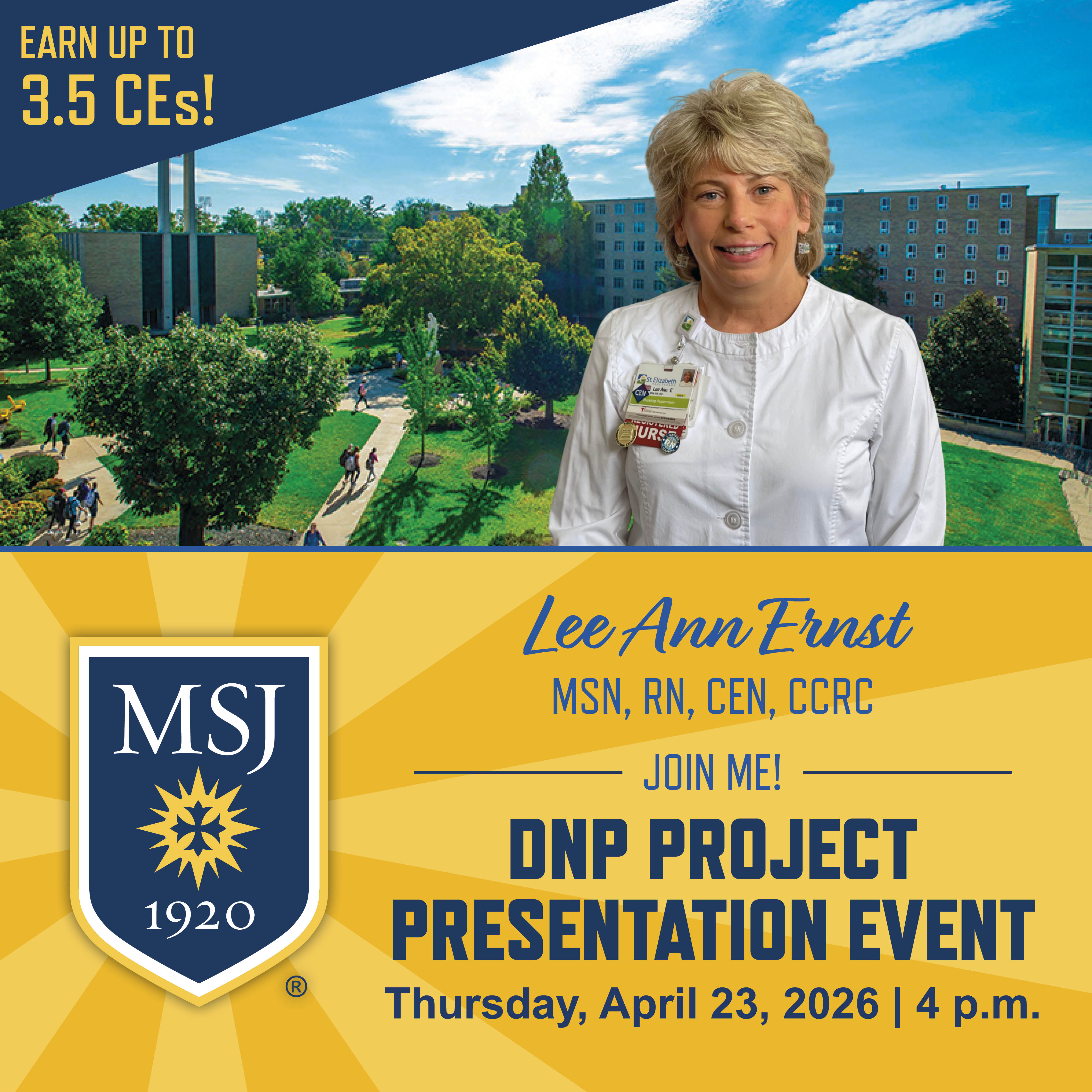
Project Topic: Increasing Treatment Compliance in Newly Diagnosed HIV and Hepatitis Patients
Rising rates of undiagnosed HIV and viral hepatitis, combined with persistent noncompliance among newly diagnosed individuals, highlighted the need for systematic screening and care-coordinated follow-up. This Doctor of Nursing Practice (DNP) evidence-based quality improvement project aimed to increase identification of newly diagnosed HIV, HBV, and HCV cases, ensure prompt linkage to care through a dedicated RN Navigator, and improve treatment adherence. A Best Practice Advisory (BPA) within the electronic health record prompted opt-out HIV and hepatitis screening for patients aged 18-65 who had not been tested within the past 12 months or were known to be positive. Guided by Kotter’s Eight-Step Change Model and Mishel’s Uncertainty in Illness, three outcome goals measured project success.
Kayla Bass, MSN, RN
Clinical Coordinator
Mount St. Joseph University
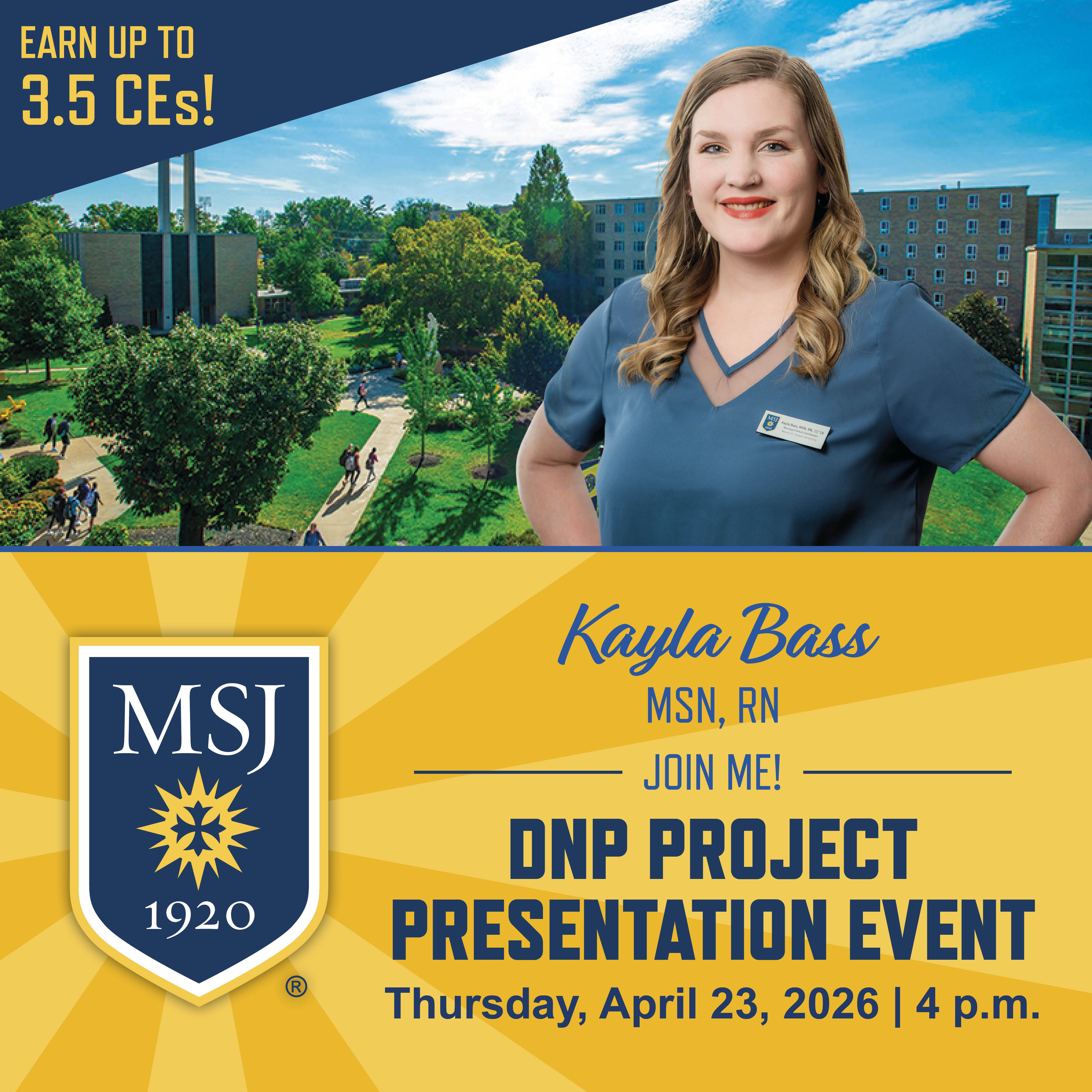
Project Topic: Virtual Nursing to Improve Patient Satisfaction and Discharge Education
The purpose of this Doctor of Nursing Practice (DNP) Evidence-Based Practice–Quality Improvement project was to evaluate the impact of Virtual Nursing on patient and nurse satisfaction, as well as discharge education, in three medical-surgical units at a Midwestern acute care hospital. Ongoing nursing shortages, high workload demands, and time-consuming discharge processes contribute to decreased patient satisfaction and nurse burnout. Guided by the Johns Hopkins Evidence-Based Practice Model and Interpersonal Relations in Nursing, this project implemented Virtual Nursing to support admission assessments, discharge education, and patient rounding.
Chrissy McAlister, MSN, MEd, RN
Clinical Manager
Cincinnati Children’s Hospital Medical Center
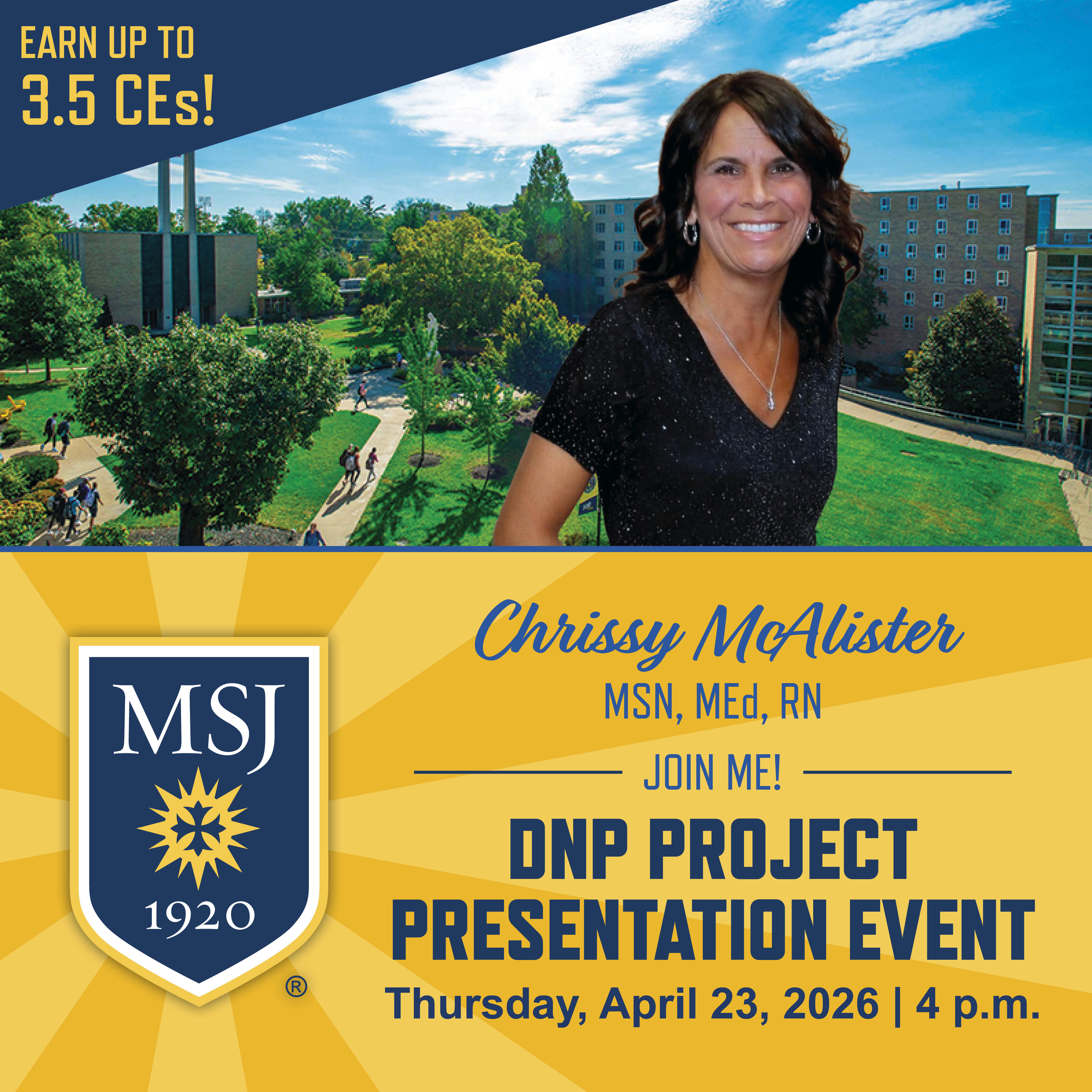
Project Topic: Implementation of a Forensic Nurse Program within the Emergency Department
Victims of pediatric abuse and exploitation frequently present to emergency departments (EDs), yet many settings lack specialized expertise to deliver trauma informed care and ensure timely, high quality forensic evaluation. This project implements and evaluates a Forensic Nurse Program within the ED. This project implements and evaluates a Forensic Nurse Program within the ED. Guided by the Model for Evidence Based Practice Change and Watson’s Theory of Human Caring, the project integrates standardized didactic education and a structured clinical orientation with interdisciplinary and community partners to prepare a cohort of ED nurses for pediatric forensic practice.
Erin Harris, MSN, RN, NPD-BC
Nursing Professional Development Coordinator
Bon Secours Mercy Health
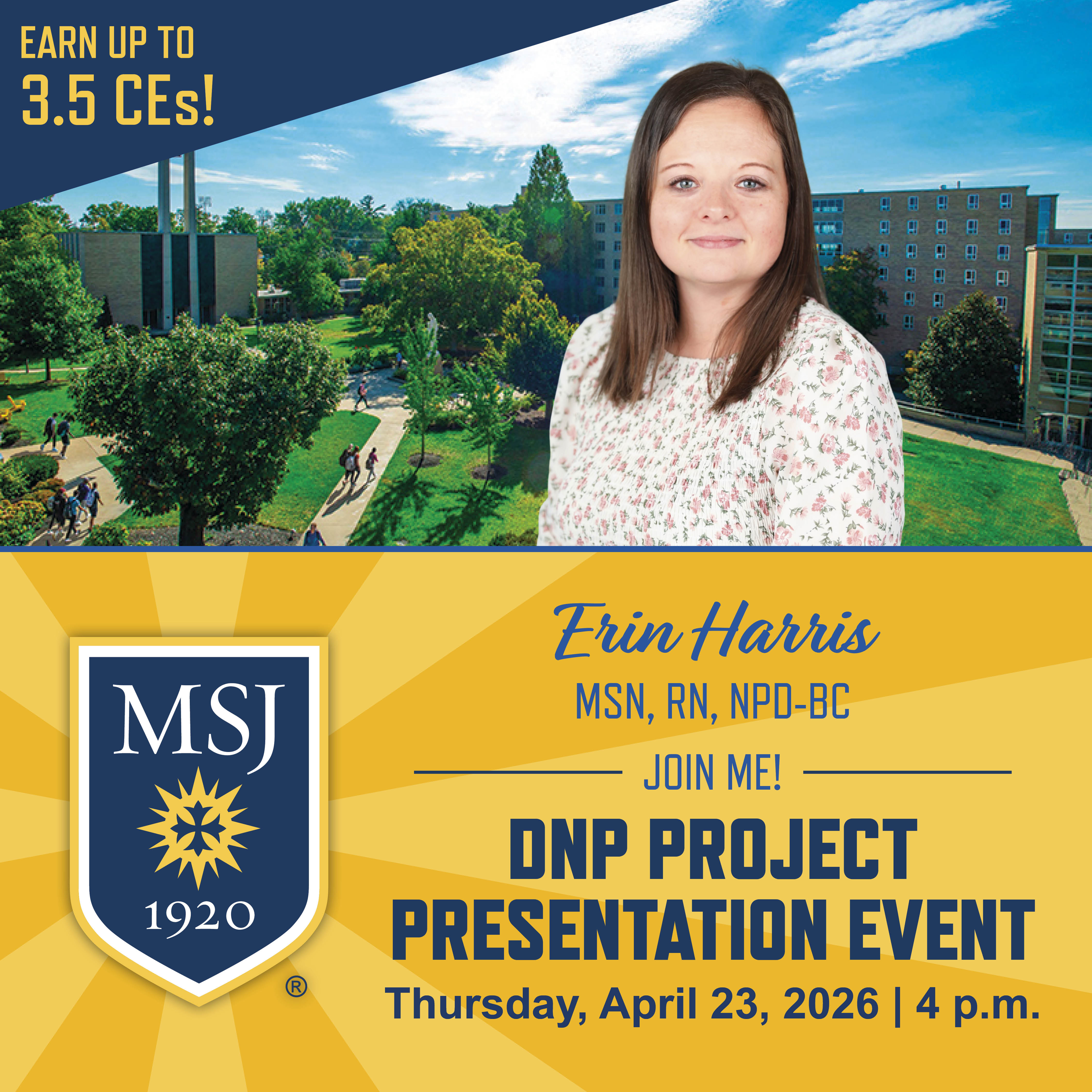
Project Topic: Nurse Competence and Confidence in a Dedicated Education Unit
Preceptor preparedness is essential for high-quality clinical education, effective student learning, and safe patient care. The Dedicated Education Unit (DEU) model provides a structured approach to strengthen preceptor confidence and competence while fostering academic-practice partnerships. This evidence-based project aimed to implement and evaluate a DEU model, coupled with a structured preceptor training program, to enhance preceptor confidence and competence.
Jayson G. Santiago, MBA, MSN, RN, AGACNP-BC, RNFA, RNAS-C, CNOR
Nurse Manager
University of California, San Francisco Health
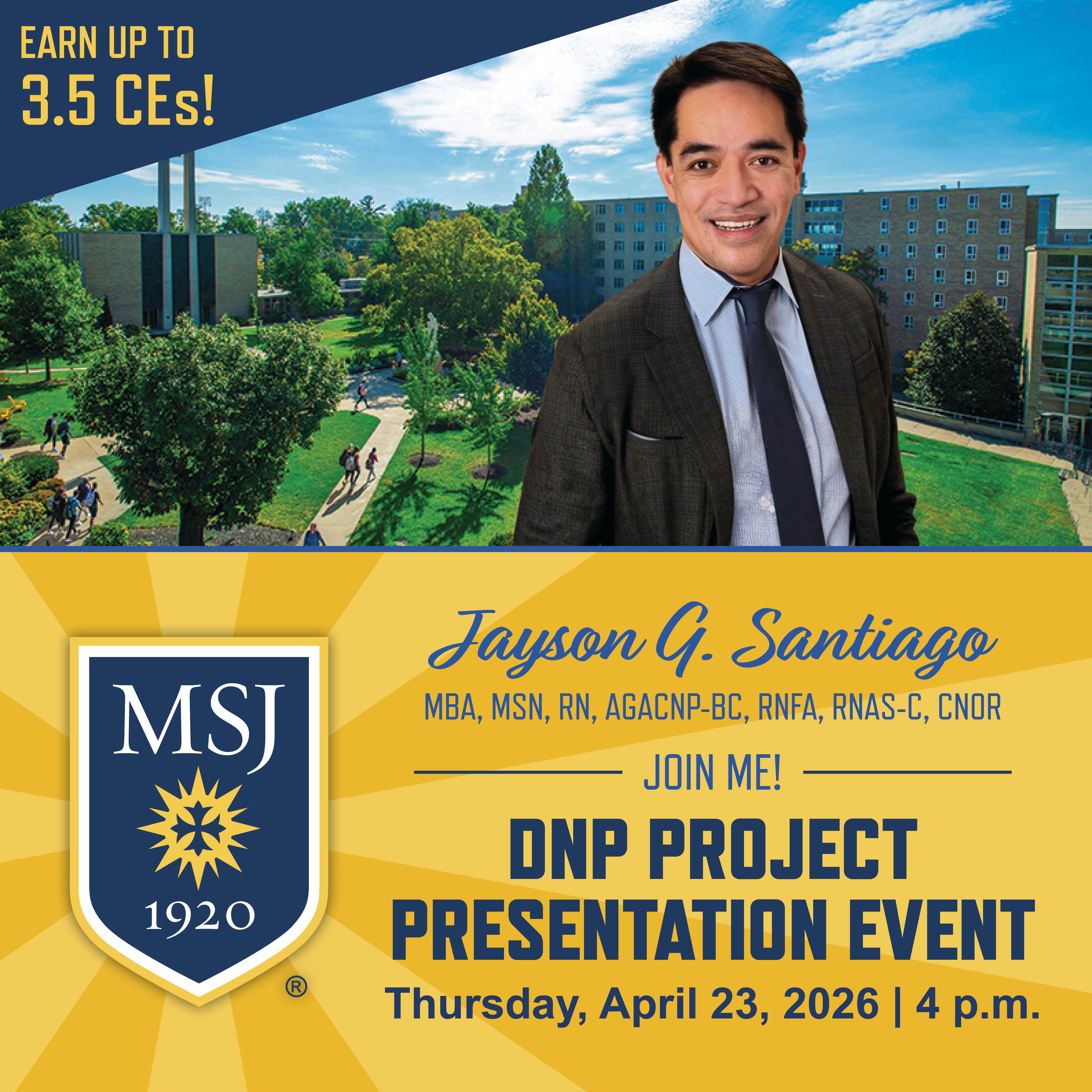
Project Topic: It Takes a Village: A Journey to Improve FCOTS in Adult Operating Room
First Case On TIme Start(FCOTS) is one of the quality metrics in the operating room. In 2024, the average FCOTS rate was between 30-40%, below the target goal of 60%. This affects the Operating Room Efficiency which results in surgery cancellations, poor patient satisfaction and decrease physican and staff satisfaction. OR minute average costs is between $24-$38. The goal of this quality project is to improve the FCOTS rate by at least 3-5% after 3 months of implementation, by redesigning the pre-operative workflow through collaboration of multidisciplinary team which includes surgeon, anesthesiologist, nursing staff and ancillary support staff.
Erica N. Scarborough, MSN, RN
Clinical Quality Consultant
TriHealth
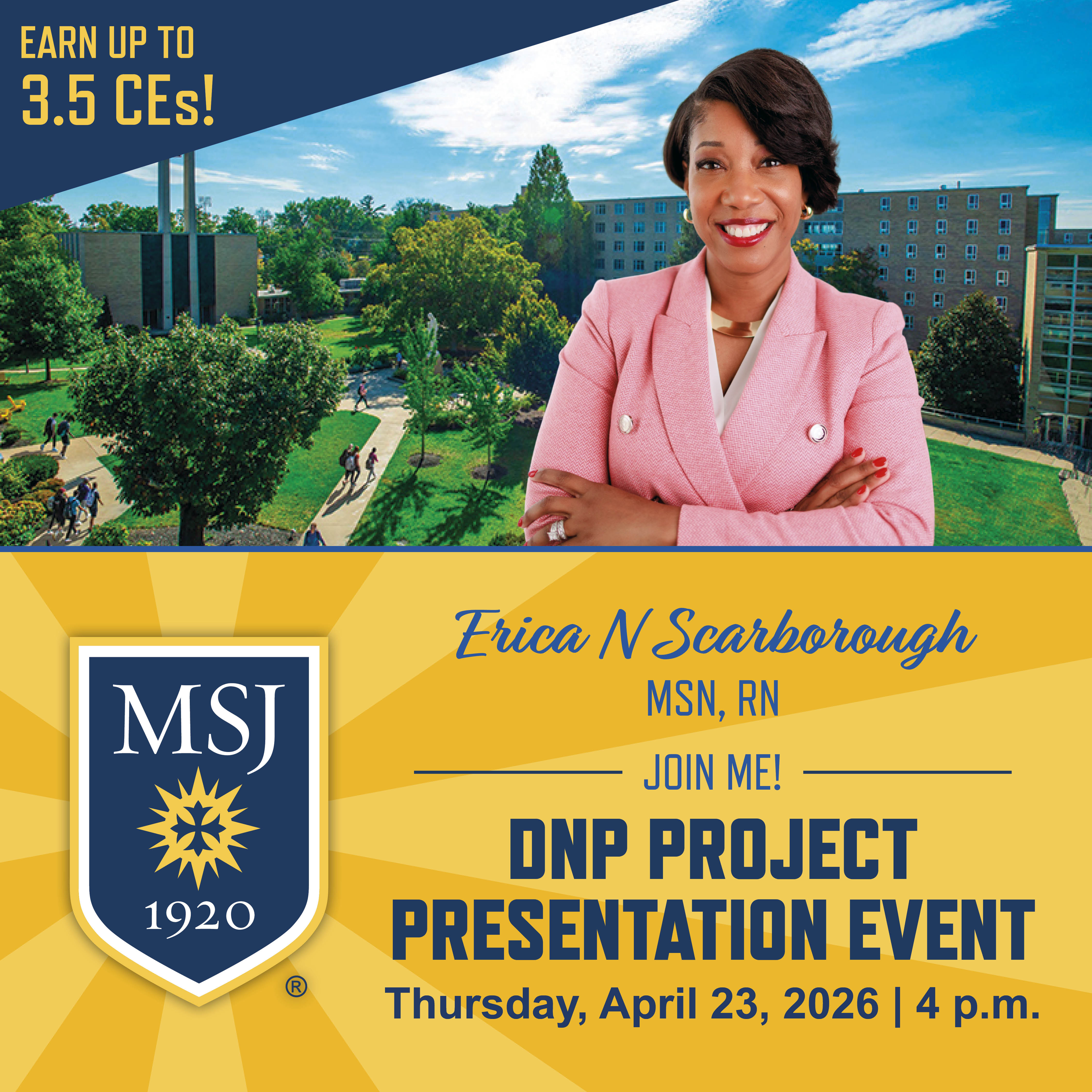
Project Topic: Reducing Hospital Readmissions by Addressing Diabetes Distress
Type 2 diabetes mellitus (T2DM) continues to be a leading cause of preventable hospital readmissions of patients being readmitted within 30 days of hospital discharge related to hyperglycemic events. Evidence suggests that the early identification of diabetes distress- the emotional burden associated with self- managing diabetes- contributes to poor glycemic control and treatment non-adherence and frequent hospital readmissions. Psychosocial distress in patients who have frequent hospital readmissions is often overlooked in the inpatient setting and beyond. The purpose of this Doctor of Nursing Practice (DNP) quality improvement project was to implement the Problem Areas in Diabetes (PAID-5) Diabetes Distress Scale (DDS) as a standardized screening tool for early identification of diabetes distress among adults with T2DM who experience a hospital readmission within 30 days related to a hyperglycemic event.
Romel Jimera, MSN, RN, CNOR, NPD-BC
Sr. Clinical Development Nurse
Kaiser Permanente
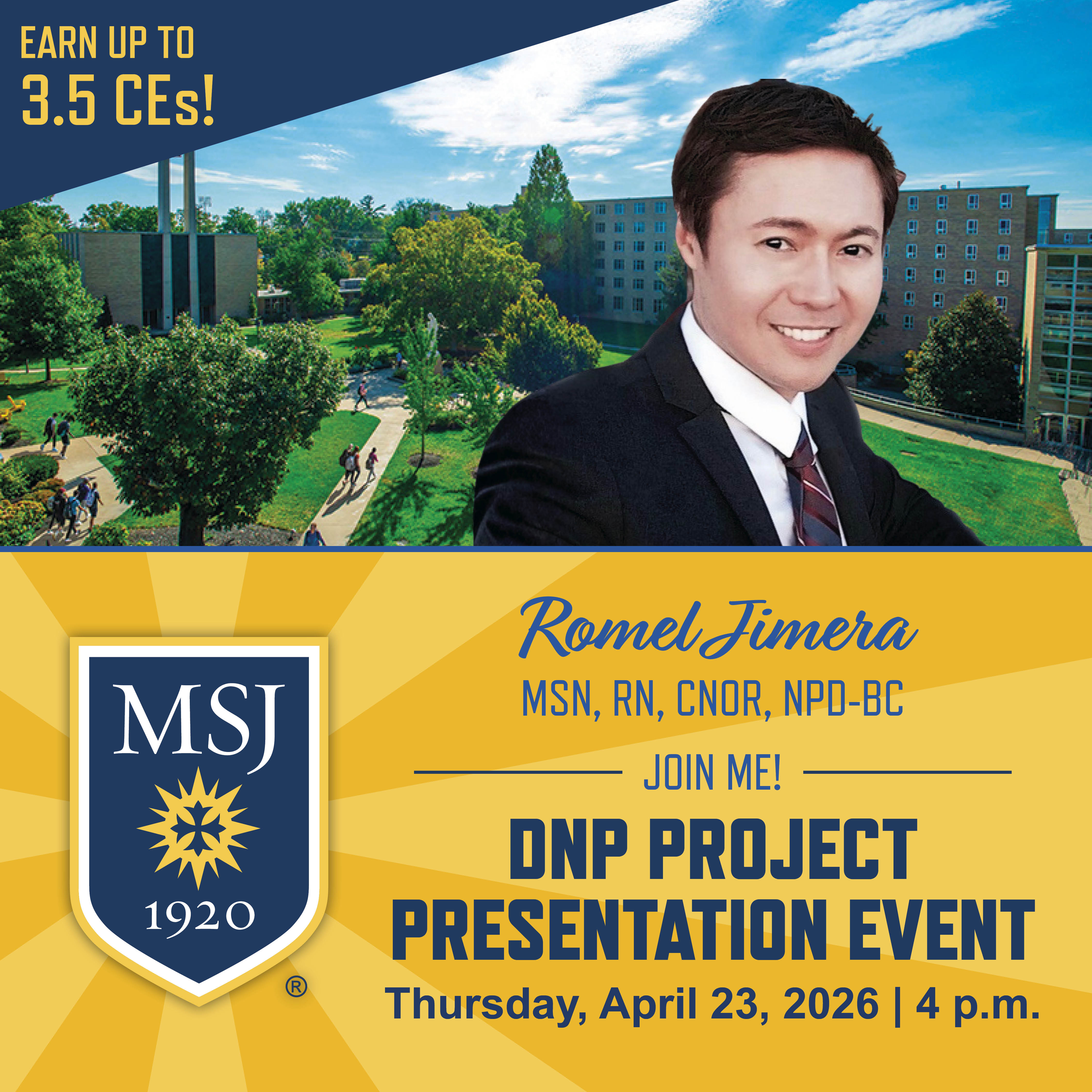
Project Topic: Optimizing Robotic Surgery Turnover Time Through Standardized Workflow and Staff Training
Operating room (OR) turnover time (TOT) is a critical measure of perioperative efficiency, particularly in robotic surgery, where workflow complexity can prolong delays and increase costs. This Doctor of Nursing Practice (DNP) quality improvement project aimed to optimize robotic surgery TOT by implementing a standardized workflow and structured staff training at a community hospital in Northern California. Guided by the Johns Hopkins Evidence-Based Practice Model and Lewin’s Change Theory, the intervention included defined role assignments, visual task timelines, parallel processing strategies, and compliance audits.
2026 DNP Project Presentations
2026 DNP Project Presentations
Jayson G Santiago: https://youtu.be/pMxdbYVDN1s
Chrissy McAlister: https://youtu.be/AQux2GnBV34
Erin Harris: https://youtu.be/75j_435X-1U
Erica N Scarborough: https://youtu.be/FQKdrwfeuXE
Kayla Bass: https://youtu.be/2PzYyk5_dA8
Lee Anne Ernst: https://youtu.be/j637BWcZjnQ
Romel Jimera: https://youtu.be/Fkwnh06AUIc